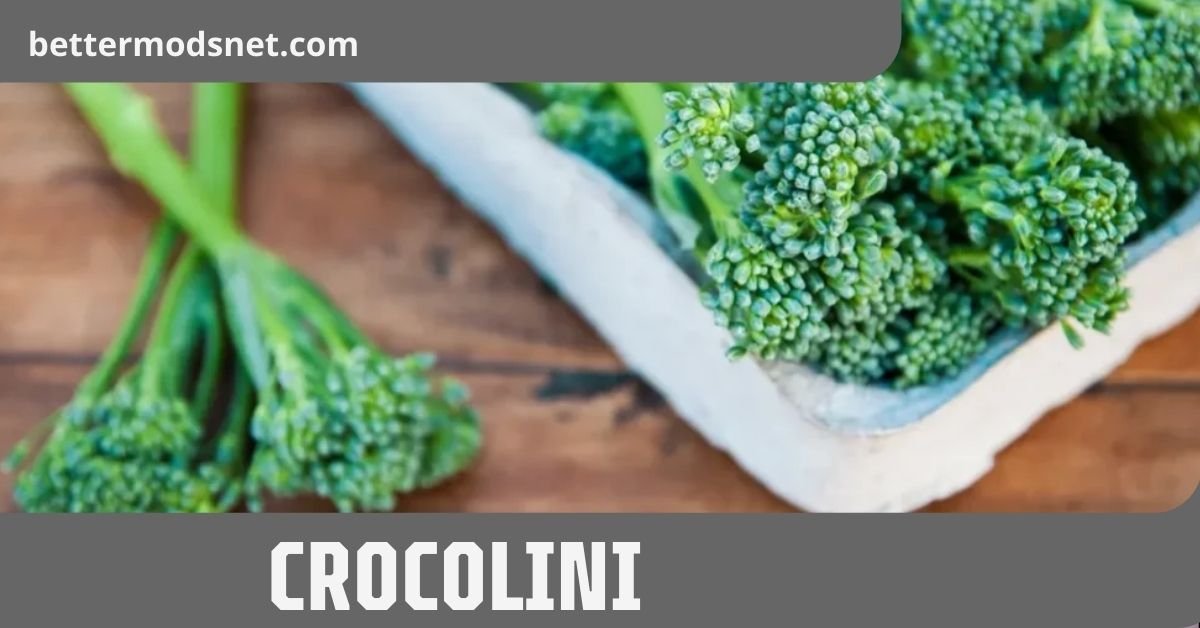
Crocolini: The Complete Guide to This Nutritious Broccoli–Kale Hybrid
Crocolini is quickly gaining attention among chefs, nutritionists, home gardeners, and health-conscious shoppers across the United States. This unique hybrid vegetable, created by crossing broccoli and kale, offers the best qualities of both greens in one tender, mildly sweet, and highly nutritious plant. If you’ve seen crocolini at a farmers market, specialty grocery store, or on a restaurant plate and wondered what makes it different, you’re not alone. Interest in crocolini is rising as Americans look for flavorful, versatile vegetables that also deliver exceptional health benefits.
This in-depth guide will explain exactly what crocolini is, how it differs from broccoli and kale, why it’s considered a superfood, how to cook it, how to grow it, and how to incorporate it into everyday meals.
What Is Crocolini? A Clear Definition
Crocolini is a hybrid vegetable developed by combining broccoli and kale through careful plant breeding. It is not genetically modified but naturally crossbred to produce a plant that shares characteristics of both parent vegetables.
Visually, crocolini looks like a slender-stemmed broccoli with loose leafy florets that resemble kale leaves. The stems are tender, the leaves are soft, and the florets are delicate. The flavor is milder and slightly sweeter than broccoli, without the bitterness often associated with kale.
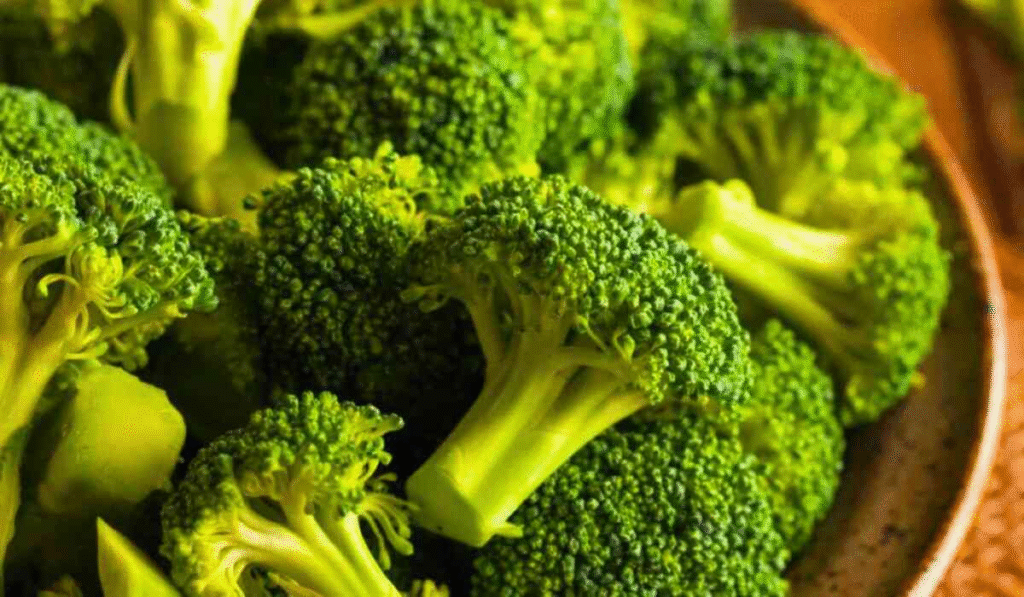
In simple terms, crocolini is designed to offer:
- The nutritional density of kale
- The familiar taste and structure of broccoli
- A softer texture that cooks quickly
- A more pleasant flavor for people who find kale too bitter
Because of this combination, crocolini is becoming a favorite ingredient in modern kitchens.
How Crocolini Differs from Broccoli and Kale
Texture and Appearance
Broccoli has thick stalks and compact florets. Kale has tough, fibrous leaves. Crocolini sits in between. It has slender stems, tender leaves, and loose florets that are entirely edible.
You don’t need to peel the stems or remove any tough parts. Everything cooks evenly and quickly.
Flavor Profile
Broccoli can have a strong, sulfur-like taste when overcooked. Kale can be bitter and earthy. Crocolini offers a mild, slightly sweet, and clean green flavor that appeals to a wider range of palates.
This makes crocolini especially attractive for children and adults who typically avoid dark leafy greens.
Cooking Time
Kale often requires longer cooking or massaging to soften. Broccoli needs careful timing to avoid becoming mushy. Crocolini cooks rapidly and evenly, making it ideal for sautéing, roasting, steaming, or grilling.
Digestibility
Many people report that crocolini is easier to digest than kale due to its softer fibers and more delicate structure.
Nutritional Profile of Crocolini
Crocolini inherits the exceptional nutritional benefits of both broccoli and kale, making it a powerhouse vegetable.
It is rich in:
- Vitamin C for immune support
- Vitamin K for bone health
- Vitamin A for eye health
- Folate for cell growth and repair
- Calcium for bones and teeth
- Fiber for digestive health
- Antioxidants that fight inflammation
- Sulforaphane, a compound known for cancer-fighting properties
Because it combines two of the most nutrient-dense vegetables on the planet, crocolini delivers an impressive concentration of vitamins, minerals, and phytonutrients in a small serving.
Health Benefits of Crocolini
Supports Immune Function
The high vitamin C and antioxidant content help strengthen the immune system and protect cells from damage.
Promotes Heart Health
Crocolini contains fiber, potassium, and anti-inflammatory compounds that support cardiovascular health and help regulate blood pressure.
Aids Digestion
Its fiber content promotes healthy digestion without the heaviness sometimes associated with kale.
Supports Bone Strength
With significant levels of calcium and vitamin K, crocolini contributes to strong bones and reduced risk of osteoporosis.
Anti-Cancer Properties
Like broccoli, crocolini contains sulforaphane, a compound studied for its ability to reduce cancer risk and support detoxification pathways.
Also Read: Veneajelu: A Complete Guide to Finland’s Peaceful Boat Journey Tradition
Weight Management
Low in calories and high in nutrients, crocolini is ideal for people following weight-loss or clean-eating diets.
Why Chefs and Food Experts Love Crocolini
Crocolini has become popular in professional kitchens because it is:
- Visually elegant on a plate
- Quick to prepare
- Versatile across cuisines
- Mild enough for wide appeal
- Easy to pair with proteins and grains
Its delicate structure allows it to be used in dishes where kale would be too tough and broccoli too bulky.
How to Cook Crocolini
Crocolini is extremely forgiving in the kitchen. You can cook it in multiple ways without worrying about bitterness or overcooking.
Sautéing Crocolini
Heat olive oil, add garlic, toss in crocolini, and cook for 4–5 minutes. Finish with lemon juice and salt.
Roasting Crocolini
Toss with olive oil, salt, and pepper. Roast at 400°F for 12–15 minutes until edges crisp slightly.
Steaming Crocolini
Steam for 3–4 minutes to preserve nutrients and color. Serve with butter or sesame oil.
Grilling Crocolini
Brush with oil and grill for 3–4 minutes per side for a smoky flavor.
Adding to Soups and Stir-Fries
Because it cooks quickly, crocolini can be added in the final minutes of soups, stews, and stir-fries.
How to Use Crocolini in Everyday Meals
Crocolini fits seamlessly into many dishes:
- Pasta with garlic and olive oil
- Grain bowls with quinoa or rice
- Omelets and frittatas
- Smoothies for added greens
- Salads, lightly blanched
- Tacos and wraps
- Side dishes with chicken, fish, or steak
Its mild taste makes it easy to incorporate without overpowering other ingredients.
Growing Crocolini at Home
Crocolini can be grown similarly to broccoli and kale.
Climate and Soil
It thrives in cool weather and well-drained soil with full sun exposure.
Planting
Plant seeds in early spring or late summer. Space plants about 12 inches apart.
Watering
Keep soil consistently moist but not waterlogged.
Harvesting
You can harvest stems, leaves, and florets once the plant matures, typically within 50–60 days.
Home gardeners appreciate crocolini because it is hardy and productive.
Where to Buy Crocolini in the United States
Crocolini is increasingly available at:
- Farmers markets
- Specialty produce stores
- Organic grocery stores
- CSA boxes
- Some larger supermarket chains with gourmet produce sections
Because it is still considered a specialty vegetable, availability may vary by region.
How to Store Crocolini Properly
Store crocolini in the refrigerator wrapped in a damp paper towel inside a produce bag. It stays fresh for up to five days.
Avoid washing until ready to use to prevent premature spoilage.
Crocolini vs Broccolini: Common Confusion
Many people confuse crocolini with broccolini. They are not the same.
Broccolini is a hybrid of broccoli and Chinese broccoli. Crocolini is a hybrid of broccoli and kale.
This difference affects taste, texture, and nutritional profile.
Why Crocolini Is Considered a Modern Superfood
Crocolini represents a new generation of vegetables bred for:
- Better flavor
- Easier cooking
- Higher nutrition
- Greater consumer appeal
It aligns perfectly with current trends in plant-based eating, clean diets, and nutrient-dense foods.
Conclusion
Crocolini combines the best qualities of broccoli and kale into one versatile, delicious, and nutrient-rich vegetable. Its mild flavor, tender texture, and impressive health benefits make it ideal for modern American kitchens. Whether you’re cooking at home, dining out, or growing your own produce, crocolini offers an easy way to add powerful nutrition and flavor to your meals. As awareness grows, this hybrid green is poised to become a staple in households across the country.
Frequently Asked Questions
What does crocolini taste like?
Crocolini has a mild, slightly sweet green flavor without the bitterness of kale or the strong taste of broccoli.
Can you eat the stems of crocolini?
Yes, the stems are tender and fully edible.
Is crocolini genetically modified?
No, crocolini is created through natural crossbreeding, not genetic modification.
How long does crocolini take to cook?
Most cooking methods take between 3 and 15 minutes depending on the technique.
Is crocolini healthier than broccoli?
It offers similar benefits with additional nutrients inherited from kale.
Can crocolini be eaten raw?
Yes, especially when thinly sliced or lightly blanched for salads.
Is crocolini good for weight loss?
Yes, it is low in calories and high in nutrients and fiber.
Where did crocolini originate?
It was developed by plant breeders aiming to combine the best traits of broccoli and kale for flavor, texture, and nutrition.