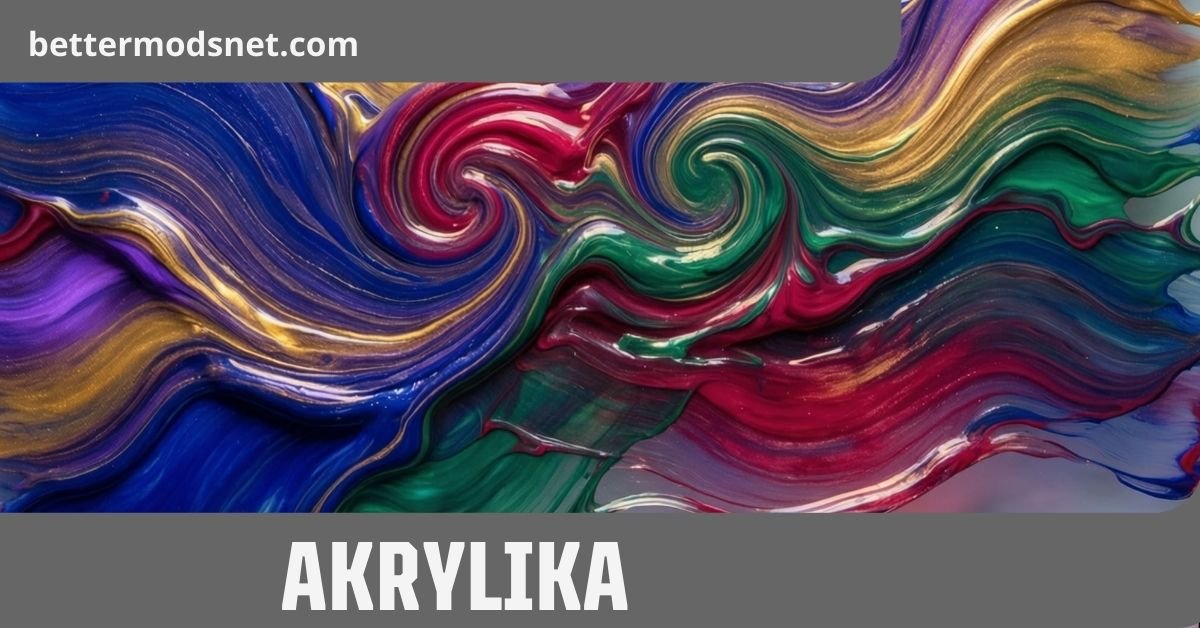
Akrylika: The Complete Guide to Acrylic Art and Materials
Akrylika is a term that has grown in popularity to describe the world of acrylic materials and applications. From artistic paints to industrial plastics and textiles, akrylika spans a wide range of uses in modern life. It is celebrated for its versatility, durability, and vibrant possibilities. This guide explores everything you need to know about akrylika — its origins, applications, techniques, benefits, challenges, and future trends.
What Is Akrylika?
At its simplest, akrylika refers to any material, product, or creative work that is based on acrylic. This includes acrylic paints, acrylic sheets, acrylic fibers, and acrylic resins. While often associated with artistic uses, akrylika also describes industrial and functional applications. The term has become a convenient way to capture the full spectrum of acrylic’s uses, from painting and crafts to construction, textiles, and design.
Acrylic itself is a synthetic material made from polymers that provide strength, clarity, and flexibility. This makes akrylika highly adaptable for both creative and practical purposes.

The Origins of Acrylic Materials
The development of acrylic materials began in the early 20th century. Early acrylic plastics were initially used for industrial applications, but over time, their versatility led to wider adoption. Acrylic paints became popular among artists because they combined the richness of oil paints with faster drying times and easier handling. Similarly, acrylic sheets began replacing glass in many applications because they are lightweight, durable, and transparent.
Today, akrylika covers a broad spectrum, encompassing artistic, industrial, and functional uses. It has become a staple in modern design, crafts, and everyday materials.
Understanding Acrylic Paint in Akrylika
Acrylic paint is one of the most recognizable forms of akrylika. It consists of colored pigments suspended in an acrylic polymer emulsion. This water-based paint dries quickly to form a water-resistant, durable surface. Artists appreciate it because it allows for layering, texturing, and blending in ways that were difficult with traditional paints.
Also Read: Acamento: The Art of Finishing Touches That Transform Ordinary Into Exceptional
Advantages of acrylic paint include:
- Fast drying time: Artists can complete layers and projects quickly.
- Versatility: Acrylic paint can mimic the look of watercolors or oils depending on technique.
- Surface adaptability: It works on canvas, wood, paper, fabric, and more.
- Ease of cleanup: Water-based paint makes cleaning brushes simple.
- Vibrancy and durability: Acrylic paint retains bright colors over time without fading.
These qualities make akrylika a favorite among beginners, hobbyists, and professional artists alike.
Akrylika Techniques for Artists
Akrylika allows a wide range of creative techniques. Here are some of the most common:
- Layering and Glazing: Applying thin layers of acrylic creates depth and luminous color effects.
- Impasto: Thick application adds texture and three-dimensional effects to a painting.
- Wet-on-Wet Blending: Rapid blending on a wet surface allows smooth color transitions.
- Mixed Media: Acrylic works well with other materials such as paper, fabric, or natural elements, enabling unique combinations and textures.
Mastering these techniques lets artists bring complex ideas and emotions to life through akrylika.
Essential Akrylika Supplies
To work effectively with akrylika, artists need a few key tools:
- Paints: Both student-grade for practice and artist-grade for professional results.
- Brushes and Tools: A variety of brushes, palette knives, and even unconventional tools like sponges.
- Mediums and Gels: Used to alter consistency, texture, and drying times.
- Surfaces: Canvas, acrylic paper, wood, and other suitable surfaces for painting.
A complete kit allows artists to experiment with different techniques and materials while developing their unique style.
Acrylic Sheets and Industrial Uses
Akrylika also includes acrylic sheets, sometimes called plexiglass. These clear or colored sheets are lightweight, strong, and versatile, making them valuable in many industrial and design applications.
Common uses include:
- Signage and advertising displays
- Protective barriers and shields
- Windows and skylights
- Aquariums and terrariums
- Lighting fixtures
Acrylic sheets are preferred in many situations because they combine clarity, durability, and ease of fabrication.
Acrylic Fibers and Textiles
Another form of akrylika is acrylic fibers, which are synthetic threads used in clothing, blankets, rugs, and outdoor textiles. Acrylic fibers can mimic wool, offering warmth, softness, and color retention. They are used in sweaters, scarves, socks, and even specialty items like artificial fur.
Acrylic textiles are appreciated for their durability, lightweight nature, and ability to hold vibrant colors, though they require careful environmental consideration due to microplastic shedding.
ALso Read:Nomurano: A Complete Guide to Japan’s Quiet Cultural Treasure
Benefits of Akrylika
Akrylika materials offer several advantages:
- Durability: Resistant to breakage, cracking, and weathering.
- Clarity: Transparent acrylic sheets maintain optical clarity.
- Lightweight: Easier to handle compared to glass or other materials.
- Flexibility: Acrylic paint and products can adapt to many techniques and applications.
- Wide application: Useful in art, fashion, construction, and everyday products.
These benefits make akrylika a trusted material in multiple fields, from creative projects to industrial manufacturing.
Challenges and Considerations
Despite its many benefits, akrylika has some challenges:
- Environmental Impact: Acrylic plastics and fibers are not biodegradable.
- Microplastic Pollution: Acrylic fibers can release small plastic particles during washing.
- Chemical Use: Some industrial acrylic processes involve chemicals that require careful handling.
Sustainable alternatives are emerging, including recycled acrylic products and bio-based acrylics, but responsible use is still important.
How to Get Started With Akrylika
If you want to explore akrylika, follow these steps:
- Choose a Focus: Decide whether you want to focus on acrylic art, sheets, or textiles.
- Gather Materials: Invest in good-quality paints, brushes, or sheets for your projects.
- Learn Techniques: Practice layering, texturing, blending, and surface preparation.
- Experiment and Explore: Akrylika encourages creativity — try different surfaces, colors, and tools.
Even beginners can achieve professional-looking results with patience and experimentation.
Future Trends in Akrylika
The future of akrylika is exciting. Innovations include:
- Bio-based acrylic polymers for more sustainable production.
- Smart textiles using acrylic fibers with advanced functionality.
- 3D printing with acrylic resins for design and manufacturing.
- Expanded industrial applications in construction, healthcare, and renewable energy.
These developments ensure that akrylika will remain a versatile and essential material for years to come.
Also Raed:Crocolini: The Complete Guide to This Nutritious Broccoli–Kale Hybrid
Frequently Asked Questions (FAQs)
1. What does “akrylika” mean?
Akrylika refers to any material, product, or creative work made with acrylic, including paints, sheets, fibers, and resins.
2. Is acrylic paint suitable for beginners?
Yes, acrylic paint is ideal for beginners because it is water-based, fast-drying, and easy to work with.
3. Can acrylic sheets replace glass?
Yes, acrylic sheets are lightweight, durable, and clear, making them a common substitute for glass in many applications.
4. Are acrylic fibers environmentally friendly?
Most acrylic fibers are not biodegradable, and they can release microplastics. Recycled or bio-based options are more sustainable.
5. How can I start using akrylika?
Begin with quality paints, brushes, or sheets, learn basic techniques, and experiment creatively to develop your skills.
Conclusion
Akrylika is more than just a material — it is a bridge between creativity, functionality, and innovation. From vibrant acrylic paintings to durable industrial sheets and versatile textiles, akrylika demonstrates the power of acrylic in shaping modern life. Its unique combination of strength, flexibility, and aesthetic appeal makes it indispensable for artists, designers, and engineers alike.
While there are environmental considerations to keep in mind, responsible use and emerging sustainable solutions are helping akrylika evolve in a more eco-friendly direction. Whether you are exploring it as a medium for art, a material for design, or a component in everyday products, akrylika offers limitless possibilities for expression, experimentation, and practical innovation. Embracing akrylika means engaging with a material that is as dynamic and adaptable as the ideas you bring to it.