
abctm: A Complete Guide to Understanding, Applying, and Benefiting from It
abctm is a term that can seem simple at first glance, but it carries significant meaning across multiple fields. Whether in business, defense, or the study of human behavior, abctm serves as a framework to understand systems, make better decisions, and improve outcomes. This article offers a complete and practical explanation of abctm, including its meanings, applications, examples, benefits, challenges, and future trends. By the end of this guide, you will understand how abctm can be applied in real life and why it matters in today’s complex world.
Understanding the Meaning of abctm
The term abctm is an acronym that does not have a single definition. Its interpretation depends entirely on the context in which it is used. In business, it typically refers to Activity-Based Costing and Technology Management, a method that combines cost analysis with technology strategy. In defense, it can mean Army Brigade Combat Team Modernization, which is a program to upgrade and improve military units. In behavioral science, it is conceptually linked to the ABC model, which helps analyze human behavior by examining antecedents, actions, and consequences.
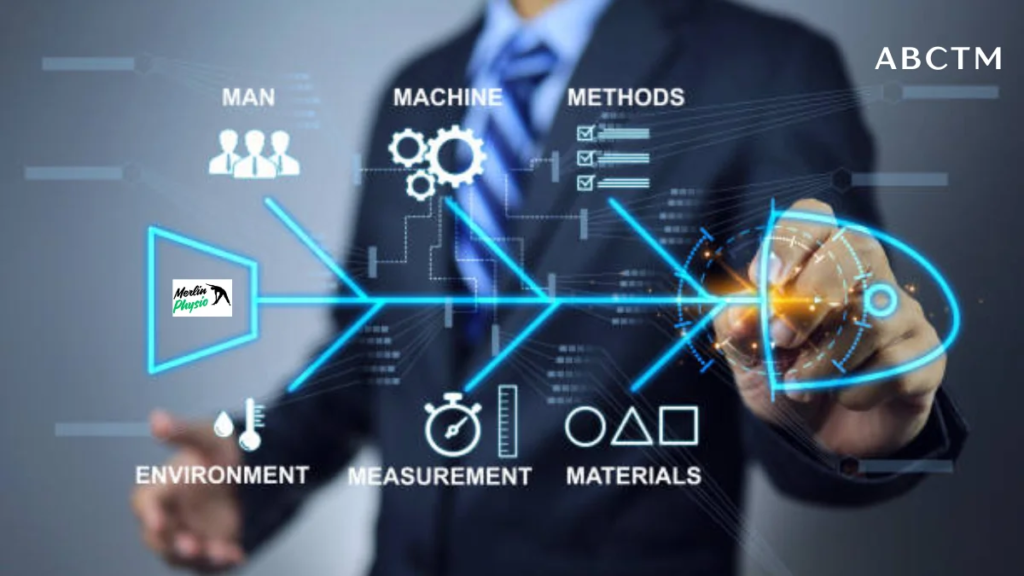
Despite the different meanings, the central idea behind abctm is consistent: it focuses on understanding actions, their causes, and their effects to make smarter decisions. Whether it is a company analyzing costs, a military unit improving readiness, or an educator observing student behavior, abctm provides a structured framework for analysis and improvement.
abctm in Business: Activity-Based Costing and Technology Management
In the business world, abctm combines two powerful concepts: Activity-Based Costing and Technology Management. Together, they help organizations understand exactly where resources are used and how technology supports business objectives.
What is Activity-Based Costing?
Activity-Based Costing, often referred to as ABC, is a method that assigns costs to individual activities instead of spreading them across broad categories. Traditional accounting methods often hide inefficiencies because they average costs across departments or products. With Activity-Based Costing, a company can pinpoint exactly which activities are consuming resources and how much they cost.
For example, a company can track the cost of processing a customer order, including staff time, software usage, and administrative overhead. This precise view allows decision-makers to understand where spending is effective and where it is wasted.
Understanding Technology Management
Technology Management is about overseeing the planning, implementation, and optimization of technology within an organization. It ensures that software, systems, hardware, and other digital tools align with business goals and deliver value. Proper technology management prevents unnecessary costs and improves efficiency by integrating the right tools in the right way.
Also Read: PLG Supplies: A Complete Professional Guide for Private Label Success
Combining ABC and Technology Management
When Activity-Based Costing is combined with Technology Management, the result is abctm—a framework that links costs to technological use and business processes. Companies that adopt abctm can:
- Determine which technologies provide the highest value for the cost
- Optimize workflows to reduce unnecessary spending
- Make data-driven decisions about investments and resource allocation
- Improve overall operational efficiency
For instance, a company may invest heavily in customer support software. Using abctm, the company can track which tasks consume the most time and resources, identify underutilized features, and optimize how the software is used to improve performance while reducing costs.
Real-Life Applications of abctm in Business
abctm is not limited to large organizations; it can be applied in small and medium-sized businesses as well. Examples include:
- A retail store analyzing the cost of each employee activity to identify areas for efficiency improvements
- A service company tracking technology usage to ensure that software tools are supporting, not slowing down, work processes
- A manufacturing company linking production costs to specific machines and labor activities to optimize output
The core advantage of abctm in business is clarity. By connecting costs, activities, and technology, organizations gain insights that lead to more informed decisions and higher profitability.
abctm in Defense: Army Brigade Combat Team Modernization
In defense contexts, abctm refers to Army Brigade Combat Team Modernization. This program focuses on upgrading and improving the capabilities of the Army’s Brigade Combat Teams to meet modern threats and operational requirements.
What is Brigade Combat Team Modernization?
Brigade Combat Teams are the Army’s primary combat units, responsible for executing missions on the battlefield. Modernization programs aim to enhance these units with advanced vehicles, weapons systems, communications technology, and other capabilities to improve their performance, mobility, and readiness.
Key modernization efforts include:
- Upgrading communication systems to provide real-time data sharing
- Enhancing vehicles and equipment for better protection and performance
- Integrating advanced sensors and technology to improve situational awareness
- Implementing strategies that increase operational efficiency
This version of abctm ensures that the military is equipped to respond effectively to evolving challenges and threats.
Why abctm Matters in Defense
Army Brigade Combat Team Modernization is crucial because it combines long-term strategic planning with practical improvements in capability. It helps military leaders prioritize investments, allocate resources efficiently, and maintain readiness in a constantly changing environment. By using abctm, military planners can ensure that upgrades are not only technologically advanced but also operationally effective.
Also Read: Levapioli:A Clean, High-Protein Dish for Modern Healthy Living
abctm in Behavior Analysis: Understanding Human Actions
In behavioral science, abctm is sometimes associated with the principles of the ABC model used in Applied Behavior Analysis. While ABC is the more common term, the ideas overlap conceptually with abctm as a structured framework for analyzing actions.
The ABC Model Explained
The ABC model breaks behavior into three components:
- Antecedent (A): The event or situation that occurs before a behavior
- Behavior (B): The observable action or response
- Consequence (C): The outcome or result that follows the behavior
This model allows educators, therapists, and parents to observe behavior patterns, identify triggers, and implement strategies that encourage positive outcomes or reduce negative behaviors.
Practical Applications of ABC Analysis
- In education, teachers can observe when and why students act out and adjust their teaching methods accordingly
- Therapists can identify environmental factors that influence behavior and design interventions to promote positive changes
- Parents can use ABC principles to reinforce good habits and address undesired behaviors in children
By using this structured approach, behavioral interventions become data-driven, measurable, and consistent, leading to better results over time.
Benefits of Applying abctm
Regardless of the context, abctm offers several key benefits:
- Encourages structured thinking and evidence-based decision-making
- Provides clarity by linking actions, costs, or events to outcomes
- Improves efficiency and resource allocation in organizations
- Enhances readiness and capabilities in military operations
- Supports behavior modification strategies in education and therapy
- Helps uncover hidden patterns and inefficiencies
The framework allows both individuals and organizations to approach complex challenges with a clear, analytical perspective.
Challenges and Limitations of abctm
While abctm is highly valuable, it has limitations:
- Requires accurate and complete data to be effective
- Misinterpretation or misuse can lead to incorrect conclusions
- Different fields may use abctm differently, causing confusion for newcomers
- Behavioral applications often require professional guidance for ethical and safe use
Understanding these limitations ensures that abctm is applied effectively and responsibly.
Future Trends for abctm
The relevance of abctm is expected to grow as industries, organizations, and human systems become more complex.
Business Trends
- Increasing use of real-time analytics and AI to track costs and technology usage
- Better integration between technological tools and business strategy
- Enhanced precision in decision-making and resource allocation
Defense Trends
- Continued modernization of military units with advanced systems
- Data-driven approaches to resource allocation and operational planning
- Increased use of simulations and predictive analytics to optimize readiness
Behavioral Science Trends
- Wider adoption of behavior tracking in schools, therapy, and personal development
- Digital tools enabling precise monitoring of antecedents, behaviors, and consequences
- Greater reliance on data-driven interventions for measurable improvement
These trends indicate that abctm’s structured, analytical approach will remain highly valuable across multiple domains.
ALso Read: Bntamnh E: The Complete Professional Guide to Benefits, Uses, and Health Impact
Examples of abctm in Everyday Life
Business Example
A small retail business uses abctm principles to analyze staff activities and technology use. By tracking tasks and linking them to software tools, the business optimizes workflow, reduces costs, and improves customer satisfaction.
Defense Example
A military unit applies abctm to plan upgrades for vehicles and communication systems. By prioritizing improvements based on operational impact, resources are allocated effectively, and mission readiness is enhanced.
Behavioral Example
A teacher observes a student who frequently disrupts class during certain lessons. Using ABC analysis, the teacher identifies triggers, modifies the environment, and applies consistent consequences, leading to improved behavior over time.
Frequently Asked Questions About abctm
What does abctm mean?
abctm can refer to Activity-Based Costing and Technology Management in business, Army Brigade Combat Team Modernization in defense, or a conceptual link to behavior analysis principles.
Who can use abctm?
Businesses, military planners, educators, therapists, and even individuals can use abctm principles depending on their goals and context.
Does abctm require special tools?
Business applications may start with simple spreadsheets, while complex organizations use advanced analytics platforms. Defense applications require planning and management tools, and behavioral applications benefit from observation and tracking systems.
Can abctm improve personal life?
Yes, ABC-style thinking can be applied to habits, routines, and decision-making, helping individuals understand patterns and make positive changes.
What is the main benefit of abctm?
The main benefit is clarity. abctm links actions, resources, or events to outcomes, providing insights that lead to smarter decisions.
Is training necessary for abctm?
Yes. For business or defense applications, training in cost analysis, technology management, or strategic planning is recommended. For behavioral applications, professional guidance in Applied Behavior Analysis is essential.
Conclusion
abctm is a versatile framework that provides clarity, structure, and insight across business, defense, and behavioral science. Whether analyzing costs, modernizing military units, or understanding human behavior, abctm allows individuals and organizations to make informed, evidence-based decisions.
By examining antecedents, actions, consequences, costs, and technology usage, abctm helps uncover patterns, optimize performance, and improve outcomes. Its value lies in its ability to bring structure and measurable insights to complex challenges, making it a powerful tool for anyone seeking to make smarter, more effective decisions.
Understanding and applying abctm principles equips you with a framework for efficiency, strategy, and behavioral insight that will continue to grow in relevance as industries and human systems become increasingly complex.