Acamento: The Art of Finishing Touches That Transform Ordinary Into Exceptional
Have you ever walked into a room and felt that everything just felt right, even though you could not explain why? Or picked up a product that looked simple at first glance but felt premium in your hands? That quiet sense of quality, comfort, and completeness often comes from something subtle. That something is acamento.
Acamento is the art of finishing touches. It is the careful attention to small details that turn something from ordinary into exceptional. It is not about adding more. It is about refining what is already there. It is about polish, harmony, and thoughtfulness.
In homes, acamento might be the way light, texture, and color come together. In furniture, it might be the smoothness of the finish and the precision of edges. In architecture, it may be the trim, molding, or paint that completes the structure. In products, it could be the texture, packaging, or final presentation.
This article explores acamento in depth. You will learn what acamento really means, where it shows up in daily life, why it matters, and how you can apply it to your own spaces, projects, and creations.
What Does Acamento Really Mean?
Acamento is not a widely used English word, but its meaning is powerful and clear. It refers to the finishing phase of any work where thoughtful details are added to enhance quality, beauty, and completeness.
You can think of acamento as the final 10 percent of effort that creates 90 percent of the impression.
Without acamento, a project may look incomplete, rushed, or flat. With acamento, the same project looks intentional, refined, and satisfying.
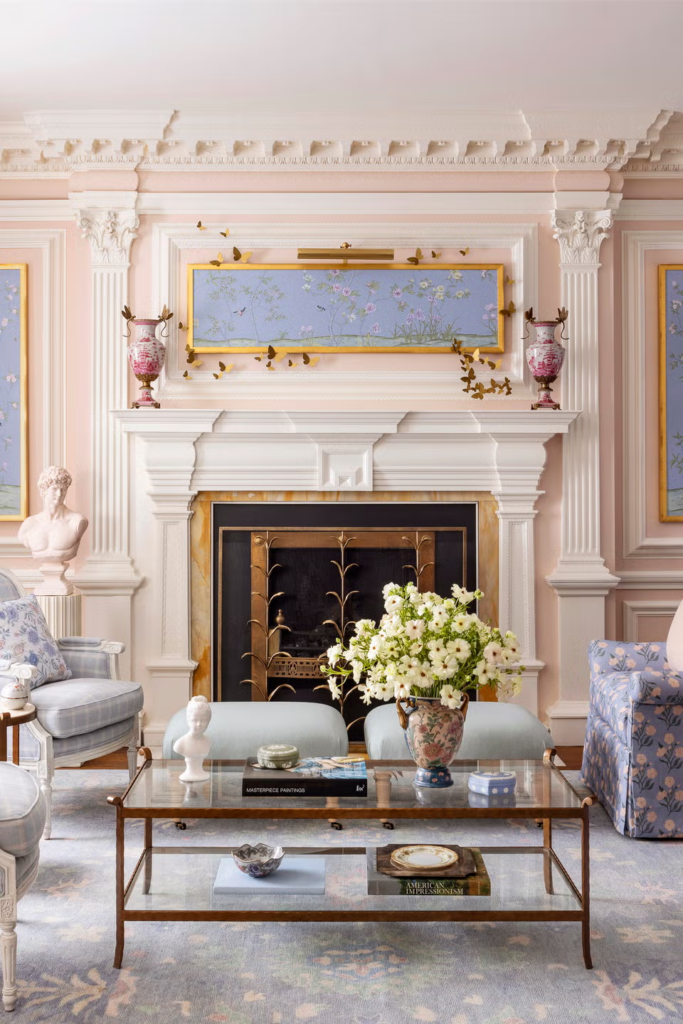
Acamento is about:
- Care
- Precision
- Harmony
- Completeness
- Sensory experience
It is the difference between “done” and “well done.”
Why Acamento Matters More Than You Think
Most people focus on the big parts of a project. They choose the furniture, paint the walls, build the structure, or design the product. But what people remember is often the finishing touches.
Acamento matters because humans naturally notice details, even if we do not consciously realize it.
Small details affect how we feel in a space. They affect how we judge quality. They affect how we experience comfort.
Also Read: Nomurano: A Complete Guide to Japan’s Quiet Cultural Treasure
In the US especially, where home design, lifestyle quality, and product experience are highly valued, acamento plays a major role in creating environments and objects that feel premium and welcoming.
When acamento is missing, people may say:
- “Something feels off.”
- “This feels cheap.”
- “This looks unfinished.”
When acamento is present, people say:
- “This feels cozy.”
- “This looks high-end.”
- “This space feels complete.”
Acamento in Interior Design
Interior design is one of the clearest places where acamento shows its power.
A room with basic furniture and painted walls is functional. But a room with acamento feels inviting and lived-in.
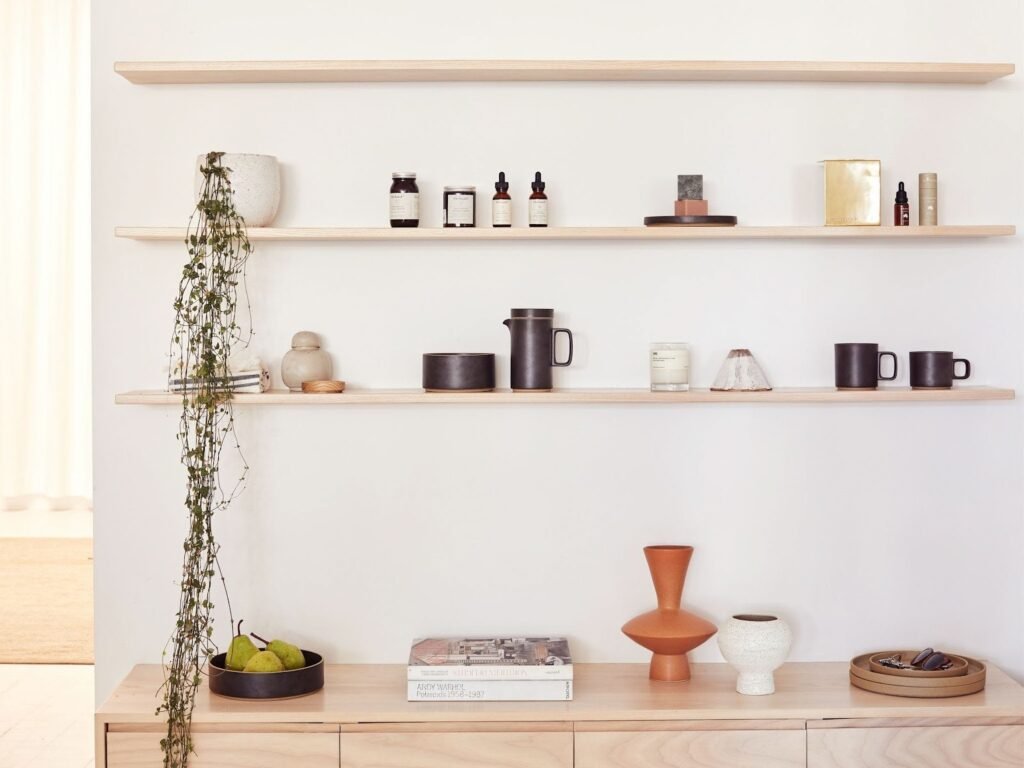
Examples of acamento in interior design include:
- Layered pillows and throws
- Carefully placed lighting
- Textures like rugs, curtains, and fabrics
- Styled shelves and tables
- Coordinated colors and materials
- Small decorative accents
These elements do not change the structure of the room. They change the feeling of the room.
Acamento turns a house into a home.
Acamento in Furniture and Craftsmanship
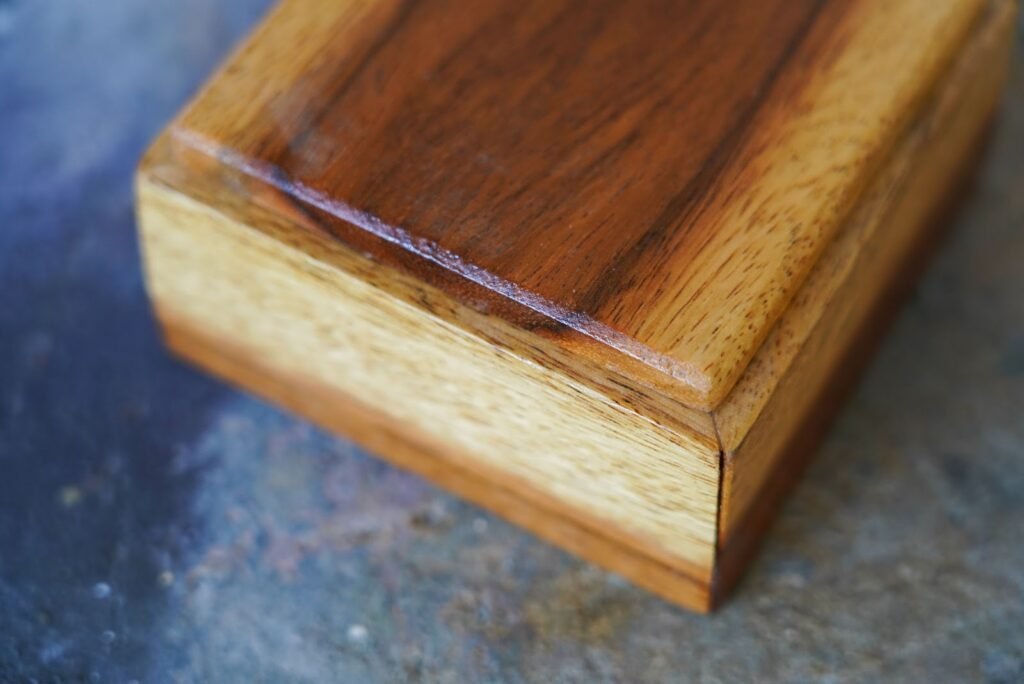
When you run your hand across a well-made table and feel how smooth it is, you are experiencing acamento.
Furniture acamento includes:
- Smooth sanding
- Rounded edges
- High-quality varnish or paint
- Clean joints and seams
- Neat stitching in upholstery
- Balanced proportions
Two tables can look the same from a distance. The one with acamento feels better, lasts longer, and looks more expensive.
This is why handcrafted furniture is often valued more. Craftspeople invest time in acamento.
Acamento in Architecture
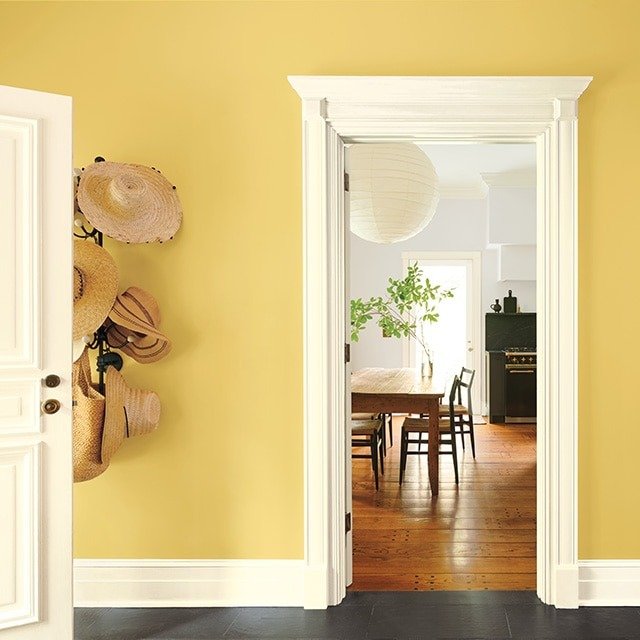
Architecture provides the structure, but acamento provides the refinement.
Architectural acamento includes:
- Crown molding
- Baseboards
- Door and window trim
- Stair rail details
- Paint finishing
- Hardware choices
These elements are often added near the end of construction, but they strongly influence how high-end the space feels.
Many modern homes skip these details to save money. As a result, they may feel plain or incomplete. Adding architectural acamento instantly elevates a space.
Acamento in Product Design and Packaging
Think about opening a premium smartphone box or a luxury cosmetic package. The way it opens, the texture of the box, the placement of items inside. That is acamento.
Also Read: Crocolini: The Complete Guide to This Nutritious Broccoli–Kale Hybrid
Product acamento includes:
- Surface textures
- Edge finishing
- Packaging design
- Material choices
- Presentation
Companies invest heavily in acamento because it affects how customers perceive value.
People often judge quality within seconds, and acamento shapes that first impression.
The Psychology Behind Acamento
Acamento works because of human psychology.
People are drawn to:
- Symmetry
- Texture
- Soft lighting
- Balanced composition
- Clean lines
These elements create comfort and trust. When details are handled carefully, the brain interprets it as quality and safety.
That is why spaces with acamento feel calming and products with acamento feel reliable.
How to Apply Acamento in Your Own Home
You do not need a large budget to apply acamento. You need awareness and intention.
Simple ways to add acamento:
- Add layered lighting, not just ceiling lights
- Use textiles like rugs and curtains
- Style surfaces like tables and shelves
- Upgrade hardware like knobs and handles
- Add trim or molding where possible
- Keep edges, corners, and paint clean
Focus on finishing, not adding clutter.
Common Mistakes That Ignore Acamento
Many projects fail not because of poor design, but because of missing acamento.
Common mistakes:
- Harsh lighting only
- Bare walls with no texture
- Cheap hardware
- Uneven paint
- Cluttered surfaces
- Ignoring small details
Fixing these often costs less than major renovations but makes a huge difference.
Acamento and Perceived Luxury
Luxury is rarely about size. It is about detail.
Hotels, high-end homes, and premium brands rely on acamento. They know people remember how something feels, not just how it looks.
Acamento creates that feeling.
Acamento in Everyday Life
Acamento is not limited to design. It can show up in:
- How you set a dining table
- How you organize your workspace
- How you present a gift
- How you arrange your bedroom
Small thoughtful details change everyday experiences.
Step-by-Step Guide to Practicing Acamento
- Look at a space or object
- Ask what feels unfinished
- Add texture, light, or detail
- Remove clutter
- Refine edges and surfaces
- Step back and adjust for balance
This process works in any environment.
Why Acamento Is Becoming More Important Today
In modern homes and products, minimalism is common. When things are simple, details matter even more.
Acamento is what prevents minimalism from feeling empty.
Also Read: Veneajelu: A Complete Guide to Finland’s Peaceful Boat Journey Tradition
FAQ About Acamento
What is acamento in simple words?
Acamento is the art of adding thoughtful finishing touches that make something feel complete and high-quality.
Where is acamento most commonly used?
In interior design, furniture, architecture, and product design.
Is acamento expensive to achieve?
Not always. Many acamento improvements are low-cost but high-impact.
Can acamento improve small spaces?
Yes. Small spaces benefit greatly from careful details.
Why do luxury spaces always have strong acamento?
Because details shape how people feel about quality and comfort.
How do I start practicing acamento today?
Focus on lighting, texture, and finishing details in one room or project.
Conclusion
Acamento is the quiet force behind spaces and objects that feel complete, comfortable, and premium. It is not loud or flashy. It is subtle, thoughtful, and powerful.
When you start noticing acamento, you begin to see why some places feel better than others and why some products feel more valuable.
By applying acamento in your own life, you can transform ordinary environments into exceptional ones without major changes.
Acamento is not about doing more. It is about finishing well.