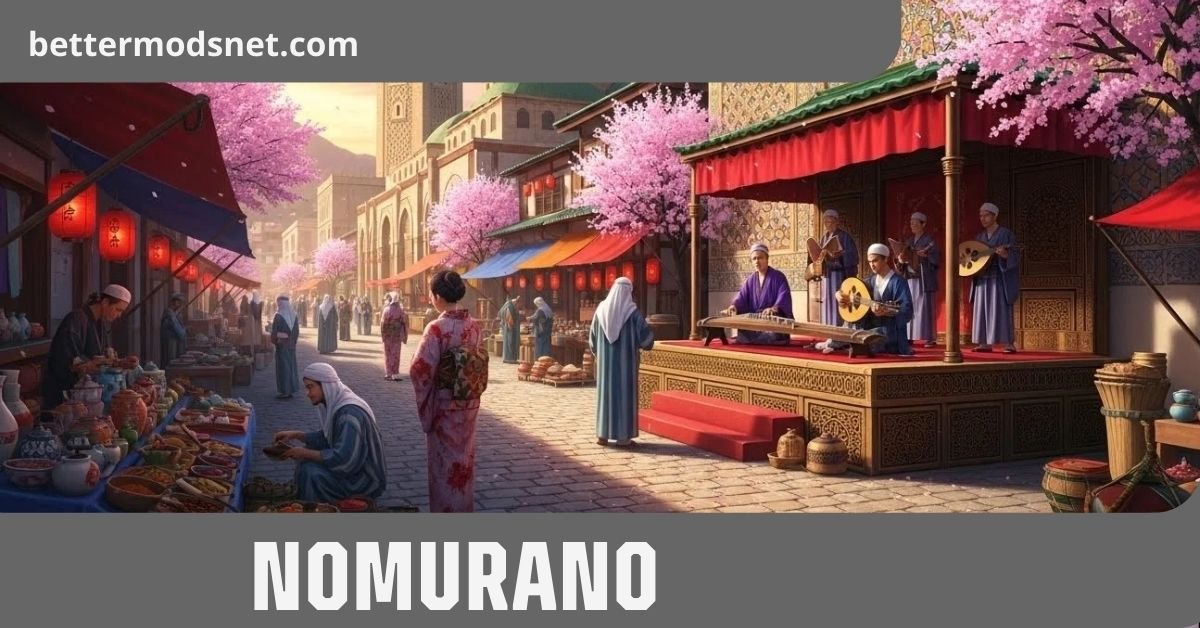
Nomurano: A Complete Guide to Japan’s Quiet Cultural Treasure
Nomurano is a small, peaceful place in Japan that many people have never heard of. Yet, for those who discover it, nomurano leaves a deep and lasting impression. Nestled in the heart of Japan, nomurano is known for its calm atmosphere, traditional culture, friendly local people, and natural beauty. Unlike big cities such as Tokyo or Osaka, nomurano moves at a slower pace. This makes it perfect for travelers, researchers, and culture lovers who want to experience the real Japan.
In recent years, interest in nomurano has grown. People searching for quiet destinations, authentic traditions, and meaningful travel experiences are starting to notice this hidden gem. Still, reliable and detailed information about nomurano is limited online. Many articles only give short summaries or repeat the same facts without depth.
By the end of this article, you will have a deep and practical understanding of nomurano that goes far beyond surface-level descriptions.
What Is Nomurano?
Nomurano is a lesser-known town or region in Japan that represents traditional Japanese life. While it may not appear in most travel guides, nomurano reflects the heart of rural Japan. It is shaped by nature, history, and long-standing customs passed down through generations.
Nomurano is not defined by skyscrapers or busy shopping districts. Instead, it is defined by narrow streets, wooden houses, local temples, seasonal festivals, and strong community ties. Life in nomurano focuses on balance, respect, and harmony with nature.

The meaning of nomurano goes beyond its physical location. For many locals, nomurano represents identity, heritage, and pride. For visitors, it represents peace, learning, and connection.
The Location and Geography of Nomurano
Nomurano is located inland, surrounded by gentle hills, forests, and farmland. Its geography plays a big role in shaping daily life. The area experiences four clear seasons, which strongly influence food, festivals, and routines.
Spring in nomurano brings cherry blossoms, fresh air, and new beginnings. Summer is warm and green, with rice fields and outdoor activities. Autumn is colorful, with red and yellow leaves covering the hills. Winter is quiet and calm, sometimes with light snow that adds beauty rather than hardship.
The natural environment of nomurano supports farming, walking trails, and traditional crafts. Rivers and streams provide water for crops and daily use. This close relationship with nature is one of the most important features of nomurano.
The History of Nomurano
The history of nomurano goes back hundreds of years. It developed as a small settlement where families lived off the land. Farming, fishing, and craftsmanship were the main sources of survival.
During Japan’s feudal period, nomurano was influenced by regional lords but remained mostly independent in daily life. This allowed local traditions to grow without much outside change. Many customs practiced today in nomurano come directly from this period.
Also Read: Crocolini: The Complete Guide to This Nutritious Broccoli–Kale Hybrid
In the modern era, Japan experienced rapid industrial growth. Large cities expanded, and many rural areas lost population. Nomurano faced similar challenges. Younger generations moved to cities for work, leaving behind an aging population.
However, nomurano adapted. Instead of disappearing, it focused on preserving culture, supporting local industries, and slowly welcoming visitors. This balance between old and new is one of the reasons nomurano remains special today.
Cultural Identity and Traditions in Nomurano
Culture is at the center of life in nomurano. Traditions are not treated as museum pieces. They are part of everyday living.
Local festivals are one of the best examples. These events often celebrate seasons, harvests, or historical events. People wear traditional clothing, perform dances, play music, and prepare special foods. Visitors are usually welcome, but respect is expected.
Religion also plays a role. Small Shinto shrines and Buddhist temples can be found throughout nomurano. These places are not only spiritual centers but also community gathering points.
Storytelling, local legends, and family histories are valued. Elders often share knowledge with younger people. This keeps the cultural memory of nomurano alive.
Daily Life in Nomurano
Daily life in nomurano is simple but meaningful. People wake up early, especially farmers and shop owners. Mornings are quiet, with sounds of nature instead of traffic.
Many residents grow their own food or buy from neighbors. Meals are home-cooked and based on seasonal ingredients. People greet each other by name, and community bonds are strong.
Technology exists in nomurano, but it does not control life. Smartphones and internet are used, but face-to-face interaction remains important. This balance makes life in nomurano feel human and grounded.
For visitors from the US, daily life in nomurano can feel refreshing. It offers a break from fast schedules and constant noise.
Traditional Food and Cuisine of Nomurano
Food in nomurano is closely tied to the land and seasons. Local dishes focus on fresh ingredients and simple cooking methods.
Rice is a main food, often grown locally. Vegetables change with the seasons. In spring, people enjoy fresh greens. In summer, light dishes help with the heat. Autumn brings root vegetables and mushrooms. Winter meals are warm and comforting.
Local specialties may include handmade noodles, fermented foods, and regional sweets. Recipes are often passed down within families.
Eating in nomurano is not rushed. Meals are times for conversation and connection. This approach to food reflects the values of the community.
Art and Craftsmanship in Nomurano
Nomurano has a strong tradition of craftsmanship. Local artisans create items such as pottery, textiles, woodwork, and paper goods.
These crafts are not mass-produced. Each item is made with care and attention. Many artisans learn their skills from parents or grandparents.
Crafts from nomurano often reflect nature. Colors, shapes, and patterns are inspired by seasons, plants, and landscapes.
For visitors, buying a handmade item from nomurano is more than shopping. It is supporting culture and preserving skills that might otherwise disappear.
Education and Knowledge in Nomurano
Education in nomurano combines modern schooling with traditional learning. Children attend local schools where they study standard subjects. At the same time, they learn about local history, customs, and environment.
Elders play an important role in informal education. They teach practical skills, stories, and values. This creates respect between generations.
Some programs in nomurano invite researchers or students from outside Japan. These exchanges help share knowledge and bring new ideas while respecting local culture.
The Economy of Nomurano
The economy of nomurano is small but stable. Farming remains important, especially rice, vegetables, and specialty crops. Small businesses, such as family-run shops and inns, also support the local economy.
Also Read: Veneajelu: A Complete Guide to Finland’s Peaceful Boat Journey Tradition
Tourism is growing slowly and carefully. Nomurano does not aim to become a mass tourism destination. Instead, it focuses on quality visitors who value culture and respect.
This approach helps protect the environment and community life. It also aligns with global trends toward sustainable travel.
Nomurano and Sustainable Living
Sustainability is not a trend in nomurano. It is a way of life. People reuse items, reduce waste, and respect natural resources.
Homes are built to last generations. Food waste is minimal. Farming practices focus on long-term soil health.
This lifestyle offers lessons for the modern world. Many people searching for sustainable living ideas find inspiration in places like nomurano.
Why Nomurano Matters in Today’s World
Nomurano matters because it shows another way to live. In a world focused on speed, growth, and consumption, nomurano offers balance, patience, and connection.
It preserves cultural knowledge that could be lost. It shows how communities can survive change without losing identity.
For Americans interested in Japan, nomurano provides a deeper understanding beyond pop culture and big cities.
Visiting Nomurano: What to Expect
Visitors to nomurano should come with an open mind and respect. There may be fewer English signs, but locals are often kind and helpful.
Accommodations are usually small guesthouses or traditional inns. Staying in these places allows visitors to experience daily life more closely.
Activities include walking, visiting temples, attending festivals, and talking with locals. The value of visiting nomurano comes from experience, not entertainment.
Challenges Facing Nomurano
Like many rural areas, nomurano faces challenges. Population decline and aging residents are real concerns. Keeping young people interested in staying or returning is difficult.
However, efforts are being made. Cultural programs, remote work opportunities, and sustainable tourism are helping.
The future of nomurano depends on balance. Protecting tradition while allowing thoughtful change is key.
The Future of Nomurano
The future of nomurano is hopeful but realistic. It will likely remain small and quiet. That is its strength.
By valuing culture, environment, and community, nomurano can continue to exist as a living example of traditional Japan.
Interest from researchers, travelers, and writers is growing. With careful attention, this interest can support, not harm, nomurano.
Conclusion
Nomurano is more than a place. It is a way of life shaped by history, nature, and people. It offers lessons about simplicity, respect, and balance.
In a world that often feels rushed and disconnected, nomurano reminds us of the value of slowing down and paying attention.
Whether you are a traveler, student, or simply curious, learning about nomurano can change how you see Japan and perhaps how you see life.
Frequently Asked Questions About Nomurano
What makes nomurano different from other places in Japan?
Nomurano stands out because it has preserved traditional culture and daily life while avoiding heavy modernization. It offers a calm and authentic experience.
Is nomurano a good place for first-time visitors to Japan?
Nomurano is better suited for people who already understand basic travel in Japan or who enjoy quiet, cultural experiences rather than busy tourist areas.
Can nomurano support sustainable tourism?
Yes. Nomurano focuses on low-impact tourism that respects the environment and local community.
Are there opportunities to study or research nomurano?
Yes. Some cultural and academic programs welcome researchers interested in rural Japan, sustainability, or traditional culture.
How can people support nomurano without visiting?
Supporting handmade crafts, sharing accurate information, and respecting cultural representation all help nomurano.
Is nomurano changing with modern technology?
Technology exists, but it is used carefully. The community prioritizes human connection and tradition over rapid change.
Why is nomurano important for cultural preservation?
Nomurano keeps traditions alive through daily practice, not just history books. This makes it a living example of cultural continuity.